About Bulk Bags California
Bulk Bags California connects people who want to buy, sell or recycle bulk bags (FIBCs) in California with partner suppliers. You send one quote request, and a partner supplier follows up. This page explains what that means, how quotes work and how used bag grades are described.
A Request Service for Bulk Bags
Bulk Bags California is a referral service. It takes quote requests for new and used Flexible Intermediate Bulk Containers (FIBCs), also called bulk bags, super sacks, big bags or tote bags, and passes them to partner suppliers in its network.
We do not own a warehouse, trucks or stock. Everything physical, including selling, buying, grading, pickup and delivery, is done by the partner suppliers. What we do is match your request to suppliers who may be able to help, and explain how bulk bags, grades and quotes work so you know what to ask.
A bulk bag in good condition can often be used again, and reusing a bag avoids making a new one. Making it easy to reach a supplier is one way to keep usable bags in use instead of discarded.
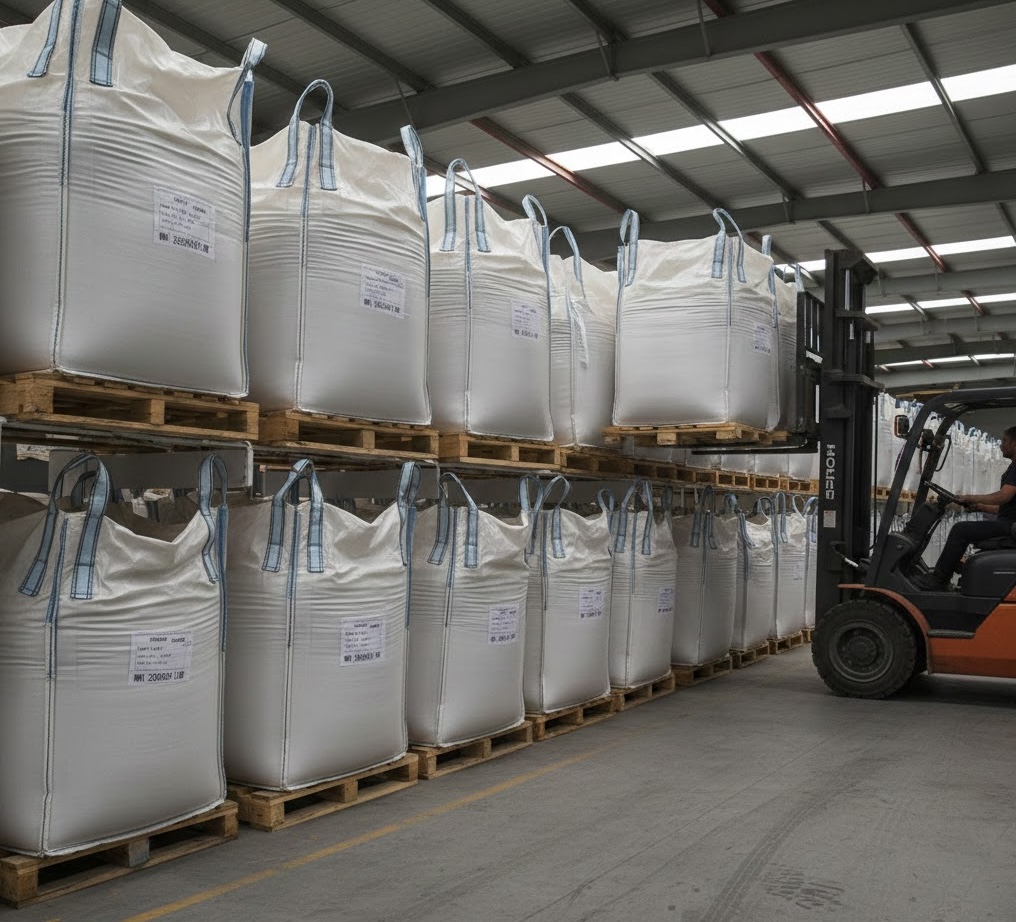
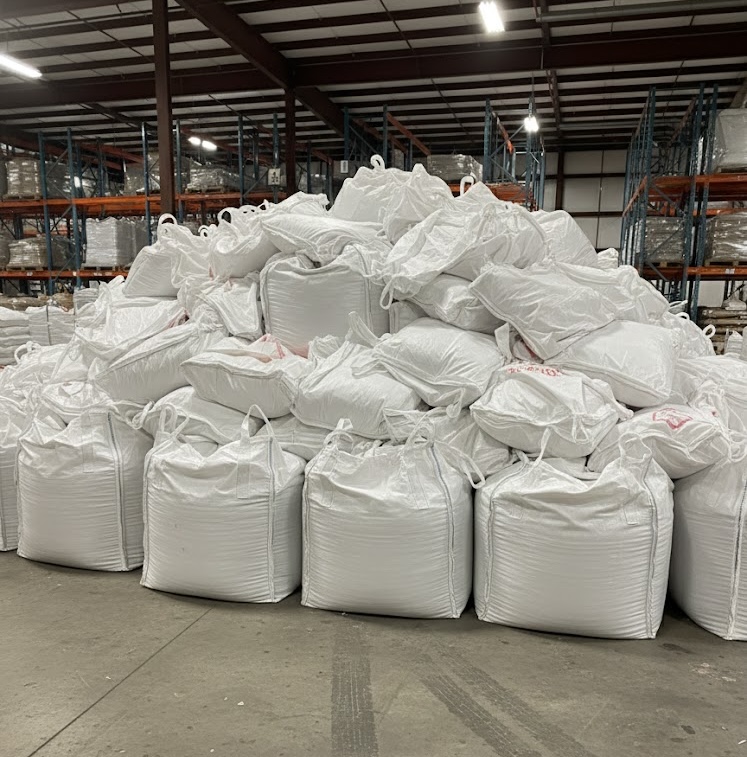
Buy, Sell, Recycle and Move Bulk Bags
Tell us what you need. Partner suppliers handle the rest, and availability depends on them.
Buying Bulk Bags
Ask a partner supplier about new or used bags in the size, style and quantity you need. The supplier sends a quote that reflects the bag type, condition, quantity and location.
- New and used bags
- Common sizes and styles
- Pricing by quote
- Availability depends on partner suppliers
Selling Bulk Bags
If you have surplus or used bags, describe them in a request. A partner supplier decides whether to make an offer, and may ask for photos and details about the condition.
- Describe quantity and condition
- Photos help the supplier
- Offers come from the supplier
- No obligation to accept
Recycling
Bags that can no longer be reused may be recycled. Woven polypropylene is recyclable where a recycler accepts it, depending on contamination. A partner supplier can say what is possible for your bags.
- For bags past reuse
- Contamination affects acceptance
- Reuse is considered first
- Options depend on partner suppliers
Pickup & Delivery
If you need bags collected or delivered, mention it in your request. Whether a partner supplier can arrange it depends on the quantity and where you are in California.
- Say what you need in the request
- Requests from California
- Arranged with the supplier
- Confirmed in the quote
Request a Quote
Tell us what you need and a partner supplier will follow up.
From Request to Quote
A quote request is free and does not commit you to anything. Here is what happens after you send one.
You Describe Your Request
Say whether you want to buy, sell or recycle, and give the quantity, size, style, condition and location. If you are selling, say what the bags held before.
We Pass It to Partner Suppliers
The request goes to partner suppliers in the network who may be able to help with it. We do not set prices or promise availability.
A Supplier Follows Up
A partner supplier contacts you with a quote, or with questions about your request. The quote covers pricing, availability and any pickup or delivery.
You Decide
Compare the quote with your needs and ask questions. If you go ahead, the order and any logistics are arranged directly with that supplier.
What the Grades Mean
Used bags are commonly sorted into three grades. Grades vary by supplier, so ask the partner supplier what their grade means and request photos.
Usually bags that look close to new, with little wear. Often chosen where appearance matters.
Usually bags with visible wear, such as light marks or scuffs, that are still described as sound for reuse.
Usually bags with more wear, suited to uses where appearance is not important. Ask what repairs or flaws to expect.
What to Check
A few details make a request easier for a supplier to answer.
Safe Working Load
The safe working load (SWL) is the weight a bag is rated to carry. Common bags range from about 1,000 to 4,000 lb. Pick a bag whose SWL suits the weight of your material.
Safety Factor
The safety factor compares the load a bag can hold at failure to its SWL. The industry standard is 5:1 for single-trip bags and 6:1 for multi-trip bags. Ask which applies to the bags quoted.
Size and Style
A frequent size is 35 x 35 x 50 in. Styles include U-panel, circular, four-panel and baffle bags, with spout or duffle tops and spout or flat bottoms.
Fabric, Coating and Liners
Bags are woven polypropylene, coated or uncoated. A liner can help with fine or moisture-sensitive materials. State whether you need one.
What the Bag Held Before
If you are selling or buying used bags, the previous contents matter. Say what the bags carried so the supplier can tell you whether they suit your use.
Reuse or Recycle
Reusing a bag avoids making a new one. Bags that cannot be reused may be recycled where a recycler accepts them, depending on contamination.
Where Bulk Bags Are Used
Bulk bags move dry, flowable material in many industries. These are some common ones.
Agriculture & Farming
Bags for grains, seeds, fertilizers, feed and harvested produce. Ventilated styles suit products that need air circulation.
Construction & Building
Bags for sand, gravel, aggregate, debris removal and building materials. Check the safe working load for heavy loads.
Food Processing
Bags used for dry ingredients such as grains, flour and sugar. If you have requirements for food contact, state them in your request.
Chemical & Industrial
Bags for powders, minerals, pigments and other industrial materials. Describe the material and any handling needs in your request.
Landscaping & Garden
Bags for mulch, soil, compost and decorative stone, used by garden centers, nurseries and landscape contractors.
Waste Management
Bags for waste collection, recycling operations and material recovery. Higher capacity styles help with bulky loads.
Do not see your industry? Describe your use in a request.
View All IndustriesReady to Send a Request?
Whether you want to buy bulk bags, sell used ones or ask about recycling, send a free, no-obligation quote request and a partner supplier will follow up.